
Introduction to Predictive Analytics in Corporate Health and Wellness

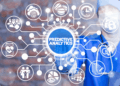
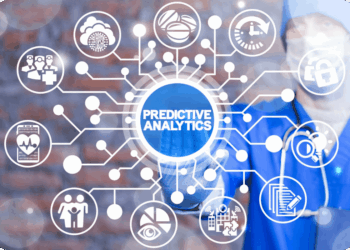
Predictive analytics involves using data, statistical algorithms, and machine learning techniques to identify the likelihood of future outcomes based on historical data. In the context of corporate health and wellness, predictive analytics can be a powerful tool for organizations to proactively address employee well-being and make informed decisions.
The Importance of Leveraging Predictive Analytics
Predictive analytics can help organizations improve employee well-being by predicting health risks, identifying patterns in employee behavior, and customizing wellness programs to meet individual needs. By leveraging predictive analytics, employers can create targeted interventions, reduce healthcare costs, and ultimately foster a healthier and more productive workforce.
- Identifying Health Risks: Predictive analytics can analyze employee data to identify individuals at risk for chronic conditions or mental health issues, allowing employers to intervene early and prevent more serious health problems.
- Customizing Wellness Programs: By utilizing predictive analytics, organizations can tailor wellness programs to address the specific needs of their employees, leading to higher engagement and better outcomes.
- Data-Driven Decision Making: Predictive analytics empowers organizations to make informed decisions about their employee health programs by providing actionable insights based on data trends and predictions.
Benefits of Implementing Predictive Analytics in Corporate Health and Wellness
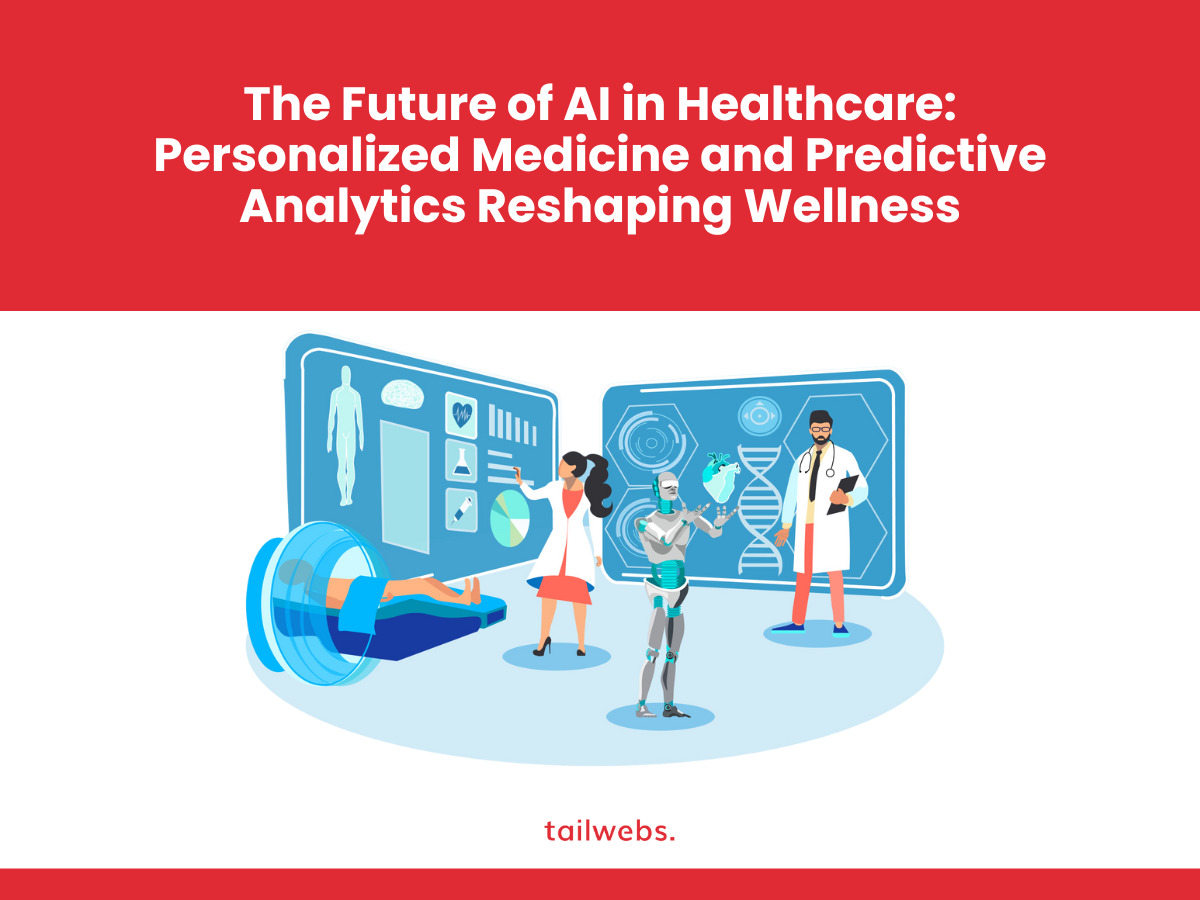
Predictive analytics plays a crucial role in corporate health and wellness by offering various benefits that can positively impact employees and the organization as a whole.
Early Detection of Health Issues
Predictive analytics can enable early detection of potential health issues among employees by analyzing vast amounts of data. By identifying patterns and trends, predictive analytics can alert healthcare providers and employers to potential health risks before they escalate. This proactive approach allows for timely intervention and personalized healthcare strategies to address health concerns promptly.
Optimizing Wellness Programs
Predictive analytics can optimize wellness programs by tailoring them to better suit the needs of employees. By analyzing data related to employee health behaviors, preferences, and risk factors, organizations can design wellness initiatives that are more targeted and effective. This personalized approach can lead to increased employee engagement, improved health outcomes, and ultimately, a healthier and more productive workforce.
Data Sources for Predictive Analytics in Corporate Health and Wellness
Predictive analytics in corporate health and wellness relies on a variety of data sources to generate valuable insights and predictions for employee well-being. By leveraging diverse datasets, organizations can proactively address health issues and optimize wellness programs.
Wearable Devices Integration for Predictive Analysis in Employee Wellness
Wearable devices such as fitness trackers and smartwatches have become increasingly popular tools for monitoring individual health metrics like activity levels, heart rate, sleep patterns, and more. Integrating data from these devices into predictive analytics systems allows for real-time tracking of employee wellness indicators.
By analyzing this continuous stream of data, organizations can identify trends, patterns, and potential health risks among employees. This enables proactive interventions and personalized wellness recommendations to improve overall health outcomes.
Importance of Incorporating Individual and Group Data for Accurate Predictive Analytics Outcomes
To enhance the accuracy and effectiveness of predictive analytics in corporate health and wellness, it is crucial to incorporate both individual and group data. Individual data provides personalized insights into each employee's health status, risk factors, and behavior patterns. On the other hand, group data offers a broader perspective by identifying common trends, correlations, and benchmarks across the workforce.
By combining these two types of data, organizations can develop holistic wellness strategies that cater to the unique needs of individuals while addressing collective health challenges. This comprehensive approach ensures that predictive analytics outcomes are precise, actionable, and beneficial for both employees and the company as a whole.
Challenges and Considerations in Implementing Predictive Analytics in Corporate Health and Wellness
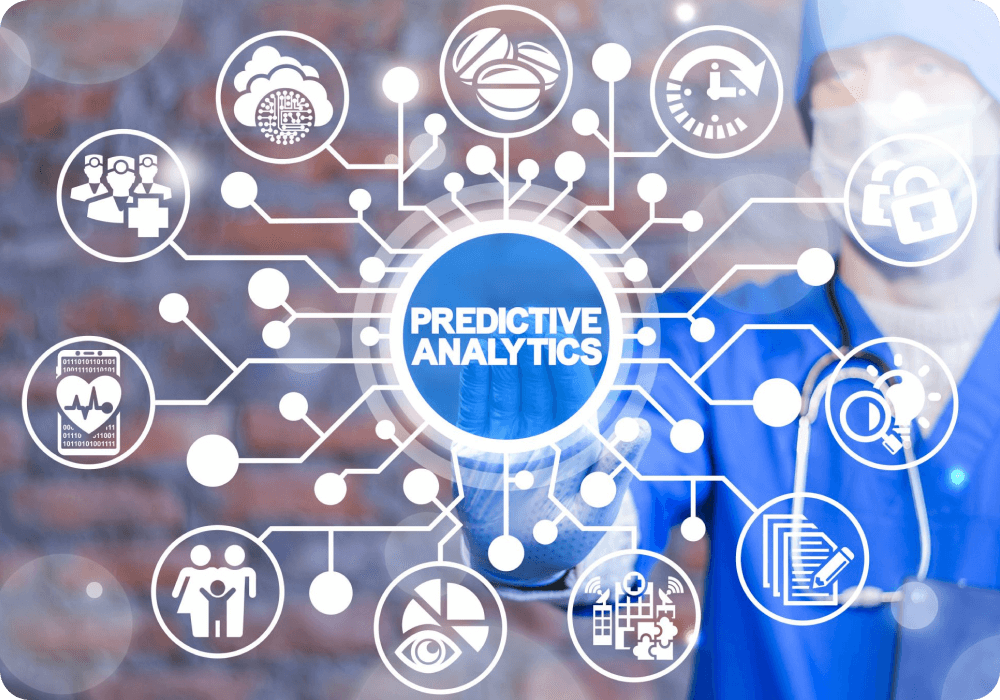
Predictive analytics in corporate health and wellness programs can offer valuable insights and benefits, but they also come with their own set of challenges and ethical considerations that organizations need to address.
Common Challenges in Implementing Predictive Analytics
- Lack of data quality: Organizations may struggle with incomplete or inaccurate data, affecting the reliability of predictive models.
- Resistance to change: Employees or management may be hesitant to adopt new technologies or processes driven by predictive analytics.
- Privacy concerns: Gathering and analyzing personal health data raises privacy issues that need to be carefully managed.
- Skill gap: The need for data scientists and analysts proficient in predictive analytics can pose a challenge for some organizations.
Ethical Considerations in Corporate Wellness Initiatives
- Transparency: Organizations must be transparent about how they collect, use, and protect employee health data to maintain trust.
- Consent: Employees should have the right to consent to the use of their health data for predictive analytics purposes.
- Non-discrimination: Predictive analytics should not be used to discriminate against employees based on their health status.
- Data security: Ensuring the security of health data is crucial to prevent breaches and unauthorized access.
Best Practices for Overcoming Challenges
- Invest in data quality: Organizations should focus on improving data collection processes and ensuring data accuracy for reliable predictive models.
- Employee engagement: Involving employees in the process and emphasizing the benefits of predictive analytics can help overcome resistance to change.
- Compliance with regulations: Adhering to data privacy laws and regulations is essential to protect employee health information.
- Training and education: Providing training for employees and upskilling staff in predictive analytics can bridge the skill gap within the organization.
Question Bank
What are the potential benefits of predictive analytics in corporate health?
Predictive analytics can help in early detection of health issues, optimize wellness programs, and make data-driven decisions for employee well-being.
What data sources can be used for predictive analytics in corporate health and wellness?
Data from wearable devices, individual and group data are key sources for predictive analysis in employee wellness.
What challenges may arise in implementing predictive analytics in corporate health programs?
Common challenges include ethical considerations, integrating diverse data sources, and ensuring successful implementation.