
Benefits of Corporate Health and Wellness Programs
Corporate health and wellness programs play a crucial role in enhancing the overall well-being of employees. These programs are designed to promote a healthy lifestyle, prevent diseases, and improve the physical and mental health of staff members.
Reducing Absenteeism in the Workplace
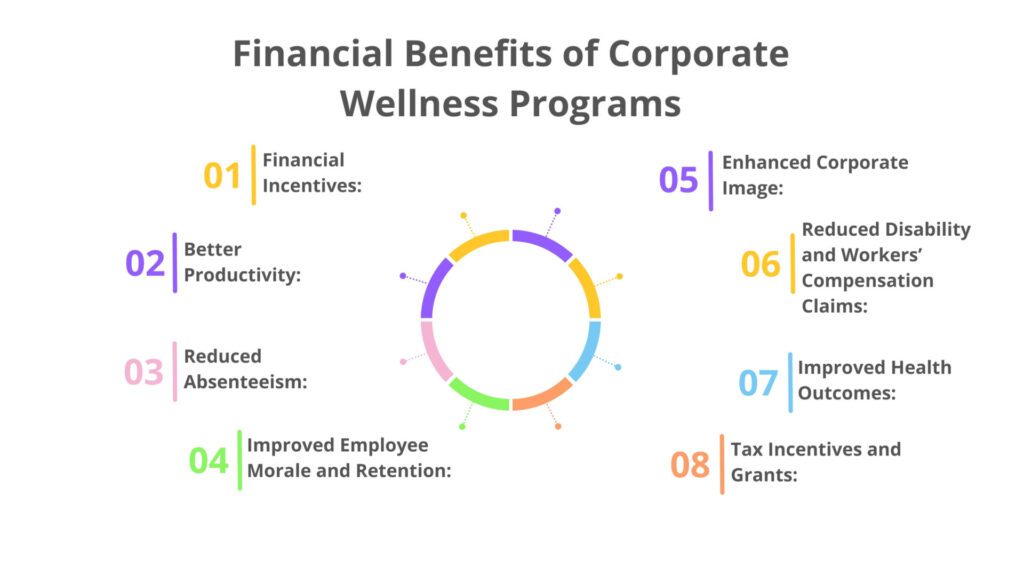
- Corporate health and wellness programs have been shown to reduce absenteeism rates in the workplace. By encouraging employees to adopt healthy habits and providing access to resources such as fitness classes, nutrition counseling, and stress management workshops, these programs help employees stay healthy and prevent illness.
- Employees who participate in corporate wellness programs are less likely to call in sick or take time off work due to health-related issues. This leads to increased productivity and a decrease in the overall costs associated with absenteeism for the company.
Increased Productivity
- Promoting a healthy lifestyle among employees through corporate health and wellness programs can lead to increased productivity in the workplace. When employees are healthier, they are more energetic, focused, and motivated to perform their tasks efficiently.
- Healthy employees are also less likely to experience fatigue, stress, or burnout, which can negatively impact their work performance. By investing in the well-being of their employees, companies can create a positive work environment that fosters productivity and success.
Components of Effective Corporate Health and Wellness Programs
Effective corporate health and wellness programs encompass various components that work together to promote a healthy and productive work environment. These programs are designed to improve employee well-being, reduce healthcare costs, and increase overall job satisfaction.
Physical Activity Promotion
- Implementing fitness challenges or competitions to encourage employees to stay active.
- Providing on-site exercise classes or access to gym facilities.
- Organizing group walks or runs during breaks or after work hours.
Healthy Eating Habits Promotion
- Offering healthy snack options in the workplace such as fruits, nuts, and vegetables.
- Providing nutritional workshops or cooking classes to educate employees on making healthier food choices.
- Implementing a workplace wellness policy that promotes nutritious meals and limits unhealthy food options.
Mental Health Support
- Offering Employee Assistance Programs (EAPs) for counseling and mental health resources.
- Providing stress management workshops or mindfulness sessions to help employees cope with work-related stress.
- Encouraging open communication and creating a supportive work culture that prioritizes mental well-being.
Connection Between Health and Insurance Premiums
Employee health plays a crucial role in determining the insurance premiums a company has to pay. When employees are healthier, the overall healthcare costs for the organization tend to be lower. This correlation highlights the importance of promoting wellness and preventive care within the workplace.
Role of Preventive Care
- Preventive care measures, such as regular health screenings and vaccinations, can help employees detect and address health issues at an early stage. This proactive approach reduces the need for costly medical treatments down the line.
- By encouraging preventive care practices, companies can minimize the risk of chronic conditions and illnesses among their staff. This, in turn, leads to decreased healthcare expenses and lower insurance claims.
- Employees who prioritize preventive care are more likely to maintain good overall health, resulting in fewer sick days and increased productivity. This positive impact on employee well-being also contributes to lower insurance premiums for the company.
Financial Benefits of Implementing Health and Wellness Programs
Investing in employee health through corporate health and wellness programs can lead to significant long-term cost savings for a company. By prioritizing the well-being of employees, organizations can reduce healthcare costs, decrease absenteeism, and improve overall productivity. This, in turn, can positively impact the company's bottom line.
Cost-Effective Initiatives in Corporate Health and Wellness Programs
Implementing cost-effective initiatives in corporate health and wellness programs can maximize the financial benefits for a company. Some examples include:
- Offering preventive health screenings and vaccinations to employees to catch potential health issues early and reduce long-term medical costs.
- Providing access to virtual mental health resources and counseling services to support employee well-being and reduce stress-related illnesses.
- Promoting physical activity through on-site fitness classes or wellness challenges to improve employee health and reduce healthcare expenses.
- Encouraging healthy eating habits through nutrition workshops, healthy snack options, and subsidized healthy meal programs to prevent chronic diseases and lower healthcare costs.
Impact of Lower Insurance Premiums on Company's Bottom Line
Lower insurance premiums resulting from a successful corporate health and wellness program can have a direct positive impact on the company's financial health. By reducing the risk of costly health claims and improving overall employee well-being, companies can save money on insurance premiums and allocate those funds towards other business initiatives or investments.
This cost-saving measure not only benefits the company's bottom line but also contributes to a healthier and more engaged workforce.
Quick FAQs
How do corporate health and wellness programs impact insurance premiums?
Corporate health and wellness programs can lead to lower insurance premiums by reducing healthcare costs through promoting healthier lifestyles among employees and emphasizing preventive care.
What are some cost-effective initiatives that can be part of these programs?
Examples of cost-effective initiatives include offering healthy snacks at the workplace, organizing fitness challenges, and providing mental health resources for employees.