
Introduction to Corporate Health and Wellness Programs for Manufacturers
Corporate health and wellness programs in the manufacturing industry focus on promoting the overall well-being of employees through various initiatives and activities. These programs aim to improve the physical, mental, and emotional health of workers in manufacturing companies.
Implementing health and wellness programs in manufacturing companies is crucial for creating a safe and healthy work environment. By prioritizing the well-being of employees, companies can reduce the risk of workplace injuries, enhance productivity, and boost employee morale.
Importance of Corporate Health and Wellness Programs in Manufacturing
- Reduced Absenteeism: Health and wellness programs can help employees stay healthy, reducing the number of sick days taken.
- Improved Employee Morale: When employees feel supported and cared for, they are more likely to be satisfied with their job and perform better.
- Enhanced Productivity: Healthy employees are more focused, energized, and productive, leading to improved overall performance.
Potential Benefits of Health and Wellness Programs in Reducing Workplace Injuries
- Preventive Measures: By promoting healthy habits and providing safety training, employees are better equipped to prevent injuries.
- Early Intervention: Health programs can help identify health issues early on, allowing for timely intervention and prevention of more serious injuries.
- Improved Ergonomics: Wellness initiatives can educate employees on proper ergonomics, reducing the risk of musculoskeletal injuries.
Common Workplace Injuries in Manufacturing Settings
Workplace injuries are unfortunately common in manufacturing environments due to the nature of the work involved. These injuries can have a significant impact on employees and the overall productivity of the plant. It is essential for manufacturers to be aware of the typical injuries that occur in these settings and take proactive measures to prevent them.
Types of Workplace Injuries in Manufacturing
- Strains and Sprains: These are among the most common injuries in manufacturing, often caused by lifting heavy objects or repetitive motions.
- Cuts and Lacerations: Sharp tools and equipment in manufacturing plants can lead to cuts and lacerations if proper safety measures are not followed.
- Falls: Slippery floors, uneven surfaces, and working at heights can result in falls leading to injuries.
- Burns: Exposure to hot surfaces, chemicals, or molten materials can cause burns in manufacturing settings.
- Machinery Accidents: Working with heavy machinery poses the risk of crush injuries, amputations, or other serious accidents.
Main Causes of Workplace Injuries in Manufacturing Plants
- Lack of Proper Training: Inadequate training on equipment operation and safety procedures can increase the risk of injuries.
- Unsafe Work Environment: Failure to maintain a clean and organized workspace, as well as neglecting equipment maintenance, can lead to accidents.
- Overexertion: Demanding physical tasks without adequate rest periods can result in strains, sprains, and other injuries.
- Human Error: Inattentiveness, rushing through tasks, or disregarding safety protocols can contribute to workplace injuries.
Statistics on Workplace Injuries in Manufacturing Sector
According to the Bureau of Labor Statistics, manufacturing had a total recordable cases incidence rate of 3.3 per 100 full-time workers in 2020. This highlights the importance of prioritizing safety measures in manufacturing plants.
Strategies for Implementing Health and Wellness Programs
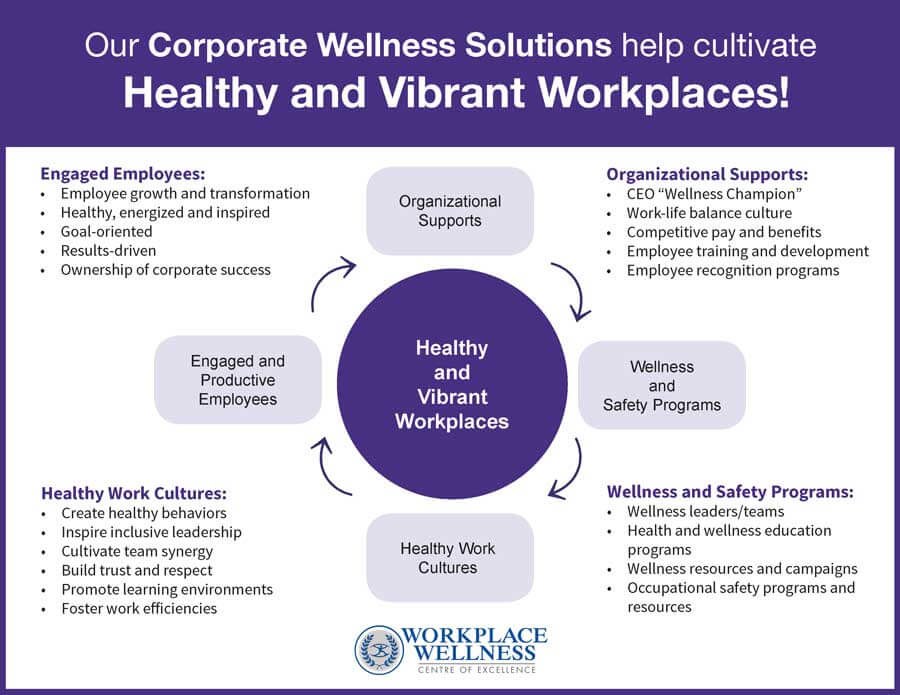
Implementing health and wellness programs in a manufacturing setting requires careful planning and execution. It is essential to involve management, promote a culture of safety, and engage employees effectively to ensure the success of these initiatives.
Designing Effective Health and Wellness Programs
- Assess the needs of employees by conducting surveys or health assessments to identify key areas of focus.
- Collaborate with healthcare professionals to develop tailored programs that address the specific health concerns of manufacturing workers.
- Provide resources and facilities for physical activity, healthy eating, and mental health support within the workplace.
- Evaluate the effectiveness of the programs regularly through feedback from employees and health data analysis.
Role of Management in Promoting Safety and Wellness
- Lead by example by prioritizing safety and wellness in their own actions and decisions.
- Allocate resources and time for health and wellness initiatives, demonstrating a commitment to employee well-being.
- Provide training and education on safety protocols, ergonomics, and healthy practices to all employees.
- Reward and recognize employees who actively participate in health and wellness programs, fostering a positive culture around well-being.
Engaging Employees in Health and Wellness Initiatives
- Communicate the benefits of participating in health programs, emphasizing how it can improve productivity, morale, and overall well-being.
- Involve employees in the decision-making process by seeking their input and feedback on program offerings and activities.
- Organize challenges, workshops, and events that promote healthy behaviors and encourage team collaboration.
- Celebrate successes and milestones achieved through the programs to maintain motivation and engagement among employees.
Technologies and Tools for Enhancing Workplace Safety
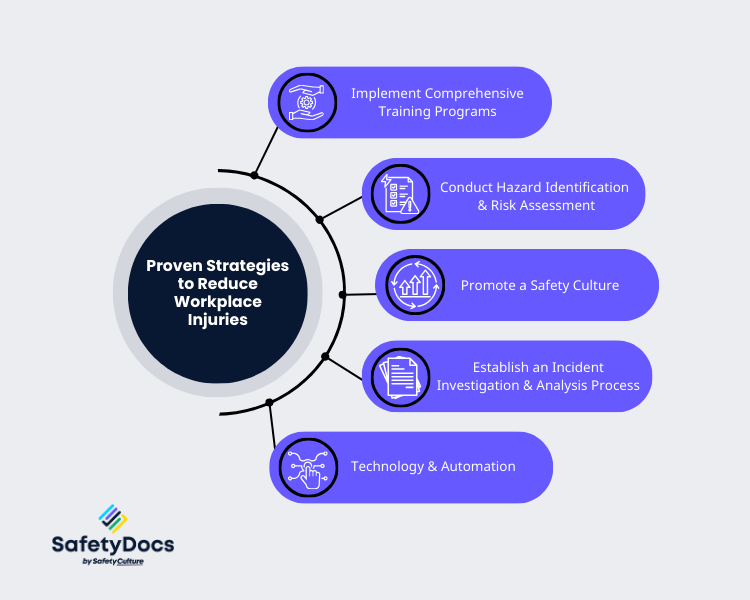
In today's manufacturing landscape, technological advancements play a crucial role in ensuring the safety and well-being of employees. By leveraging various tools and devices, companies can significantly reduce workplace injuries and create a safer working environment.
Wearable Technology and IoT Devices
Wearable technology, such as smart helmets, safety vests with sensors, and IoT devices, are revolutionizing workplace safety in manufacturing settings. These devices can monitor vital signs, detect hazardous conditions, and provide real-time alerts to prevent accidents. For example, a smart helmet equipped with sensors can detect fatigue levels in workers operating heavy machinery and alert them to take breaks, reducing the risk of accidents.
Software and Apps for Safety Protocols
There are various software solutions and mobile apps available that can streamline safety protocols and enhance communication among employees. For instance, safety management software can track safety compliance, schedule training sessions, and generate safety reports to identify potential risks. Similarly, apps that provide safety tips, emergency procedures, and access to safety manuals can empower employees to make informed decisions and respond effectively to hazardous situations.
Virtual Reality (VR) and Augmented Reality (AR) Tools
Virtual reality and augmented reality tools are being increasingly used to simulate dangerous scenarios, conduct safety training, and improve emergency response times. By immersing employees in realistic simulations, VR and AR technology can help them practice safety procedures, identify potential hazards, and develop the necessary skills to handle emergencies.
This hands-on approach not only enhances safety awareness but also reduces the likelihood of workplace accidents.
FAQ Insights
What are the main benefits of implementing health and wellness programs in manufacturing companies?
Implementing health and wellness programs can lead to reduced absenteeism, improved employee morale, increased productivity, and lower healthcare costs for both employees and employers.
How can management promote a culture of safety and wellness in the workplace?
Management can promote safety and wellness by leading by example, providing training and resources, encouraging open communication, and recognizing and rewarding safe behaviors.
What are some technological solutions that can help reduce workplace injuries in manufacturing facilities?
Technological solutions such as sensors, robotics, predictive analytics, and virtual reality can help identify risks, automate dangerous tasks, and improve overall safety in manufacturing environments.