
Importance of Employee Wellness Month
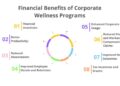
Dedicating a month to employee wellness is crucial for both employees and the organization as a whole. It shows the company's commitment to the well-being of its employees and emphasizes the importance of maintaining a healthy work-life balance.
Impact on Productivity, Morale, and Retention
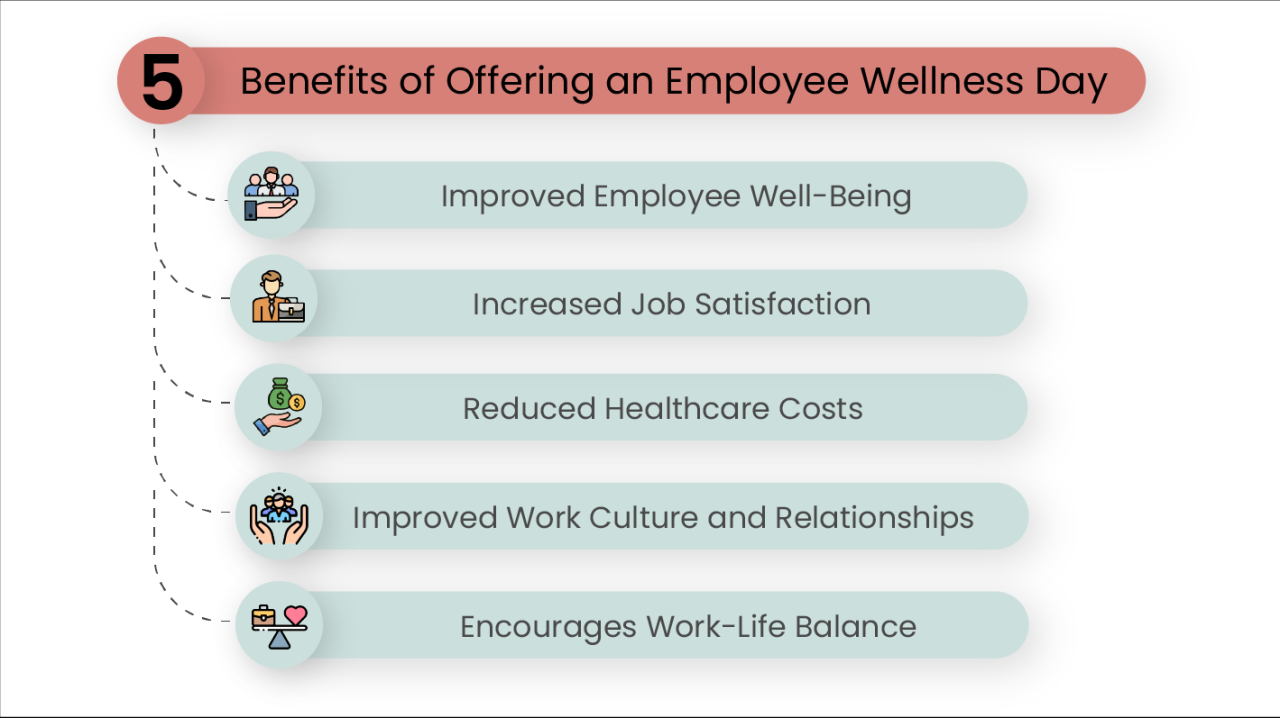
- Promoting employee well-being can lead to increased productivity as healthy and happy employees are more engaged and motivated to perform their best.
- Boosting morale within the organization can improve overall job satisfaction and create a positive work environment where employees feel supported and valued.
- Implementing wellness initiatives can also contribute to higher employee retention rates as employees are more likely to stay with a company that prioritizes their health and wellness.
Successful Employee Wellness Initiatives
- Google's wellness program, including on-site fitness centers, healthy food options, and mental health resources, has been highly successful in promoting employee well-being.
- Microsoft's focus on work-life balance through flexible working hours and remote work options has helped improve employee satisfaction and overall wellness.
- Apple's mindfulness and meditation programs have been effective in reducing stress levels and enhancing the mental health of employees.
Planning Initiatives for Employee Wellness Month
Employee wellness month is a great opportunity to promote health and well-being in the workplace. Planning and organizing activities for this month can help boost employee morale, improve productivity, and create a positive work environment. Setting achievable goals and objectives is crucial to the success of the wellness month, as it provides a roadmap for what you want to accomplish.
Here are some steps to consider when planning initiatives for the employee wellness month:
Step 1: Assess Employee Needs
- Conduct surveys or interviews to understand what areas of wellness employees are interested in.
- Identify common health concerns or stressors that employees are facing.
Step 2: Set SMART Goals
- Specific: Define clear objectives for the wellness month.
- Measurable: Establish metrics to track progress and success.
- Achievable: Ensure goals are realistic and attainable within the given timeframe.
- Relevant: Align goals with the overall well-being and culture of the organization.
- Time-bound: Set deadlines for achieving each goal to stay on track.
Step 3: Plan Engaging Activities
- Offer fitness classes or workshops, such as yoga, Zumba, or meditation sessions.
- Organize health screenings or wellness checks to promote preventive care.
- Host healthy cooking demonstrations or nutrition workshops.
- Encourage team challenges like step competitions or hydration goals.
- Create a wellness fair with vendors and resources for employees to explore.
Communication Strategies
Effective communication plays a crucial role in promoting the Employee Wellness Month to employees. Clear and engaging communication can significantly impact employee participation and overall success of the wellness initiatives.
Utilize Multiple Communication Channels
- Utilize various communication channels such as email, intranet, newsletters, and posters to reach a wider audience.
- Consider using social media platforms or internal messaging tools to create buzz and excitement around the upcoming wellness activities.
- Personalize communication by addressing specific employee needs and interests to increase engagement.
Create Compelling Content
- Develop visually appealing and informative content that highlights the benefits of participating in wellness activities.
- Include success stories or testimonials from employees who have experienced positive changes through wellness programs.
- Use engaging language and visuals to capture employees' attention and encourage them to take part in the initiatives.
Budgeting and Resource Allocation
When planning your employee wellness month, it's crucial to allocate budget and resources effectively to ensure the success of your initiatives. By strategically planning your finances and resources, you can maximize the impact of your wellness programs without overspending.
Cost-effective Implementation Strategies
Implementing wellness initiatives in a cost-effective manner requires creativity and strategic thinking. Here are some ways to ensure quality without compromising your budget:
- Utilize existing resources within your organization, such as wellness champions or internal experts, to lead initiatives.
- Partner with local gyms, nutritionists, or wellness providers for discounted services or group rates.
- Organize wellness challenges or activities that require minimal financial investment, such as walking challenges or healthy recipe contests.
- Utilize digital platforms or apps for wellness tracking and engagement, which can be more cost-effective than traditional wellness programs.
Securing Sponsorships and Partnerships
Securing sponsorships or partnerships can help offset the costs of your employee wellness month while providing additional resources and expertise. Here are some creative ways to secure sponsorships or partnerships:
- Reach out to local businesses or wellness organizations to sponsor specific events or initiatives in exchange for branding opportunities.
- Partner with wellness-related brands or companies to provide products or services in exchange for promotion or visibility during your wellness month.
- Create mutually beneficial partnerships with other departments within your organization to share resources and costs for wellness initiatives.
Evaluation and Feedback
When it comes to assessing the success of your employee wellness month initiatives, it is crucial to have a structured evaluation process in place. This involves collecting feedback from employees and analyzing data to measure the impact of the wellness month.
By doing so, you can gain valuable insights into what worked well, what needs improvement, and how to enhance future wellness programs.
Methods for Evaluating Wellness Month Initiatives
- Conduct surveys: Create surveys to gather feedback from employees about their experience during the wellness month. Ask about their participation, satisfaction levels, and suggestions for improvement.
- Analyze participation rates: Track the number of employees who engaged in wellness activities throughout the month to gauge the overall interest and effectiveness of the initiatives.
- Review health metrics: Look at any available data on employee health metrics, such as reduced absenteeism or improved health outcomes, to assess the impact of the wellness month on overall well-being.
- Collect qualitative feedback: In addition to quantitative data, gather qualitative feedback through focus groups or one-on-one interviews to gain deeper insights into employee perceptions and experiences.
Importance of Collecting Feedback
- Identify strengths and weaknesses: Employee feedback can help you identify what aspects of the wellness month were successful and what areas need improvement for future programs.
- Engage employees: Involving employees in the feedback process shows that their opinions are valued, leading to increased engagement and participation in wellness initiatives.
- Drive continuous improvement: By collecting feedback regularly, you can make informed decisions to enhance and tailor wellness programs to better meet the needs and preferences of your workforce.
Best Practices for Analyzing Data and Feedback
- Establish clear metrics: Define key performance indicators (KPIs) to measure the success of wellness initiatives, such as employee participation rates, health improvements, and ROI.
- Utilize data analytics tools: Use data analytics tools to organize and analyze feedback and data effectively, allowing you to identify trends, patterns, and areas for improvement.
- Compare results: Compare current wellness month data with previous initiatives to track progress over time and make informed decisions about future programs.
- Act on feedback: Use the insights gathered from employee feedback to make adjustments and improvements to your wellness programs, ensuring they remain relevant and impactful.
Answers to Common Questions
How can employee wellness initiatives impact productivity?
Employee wellness initiatives can boost productivity by reducing absenteeism, increasing engagement, and fostering a healthier work environment.
What are some cost-effective ways to implement wellness initiatives?
Hosting virtual wellness sessions, utilizing existing resources creatively, and partnering with local wellness vendors can be cost-effective ways to implement initiatives.
How can HR professionals measure the success of a wellness month?
HR professionals can measure success through employee feedback, participation rates, health metrics, and overall impact on workplace culture.