
The Impact of AI-Driven Health Solutions

AI-driven health solutions have been at the forefront of revolutionizing global healthcare by leveraging artificial intelligence to enhance medical services and patient care. With the ability to analyze vast amounts of data quickly and accurately, AI technologies are transforming the way healthcare is delivered, making it more efficient, personalized, and accessible for diverse teams worldwide.
AI Applications in Improving Healthcare
- Diagnosis and Treatment: AI algorithms can assist healthcare professionals in diagnosing diseases and recommending treatment plans based on a patient's medical history, symptoms, and genetic information.
- Remote Monitoring: AI-powered devices and wearables enable real-time monitoring of patients' health conditions, allowing for timely interventions and reducing the need for frequent hospital visits.
- Drug Discovery: AI accelerates the drug discovery process by analyzing molecular structures, predicting drug interactions, and identifying potential candidates for new treatments.
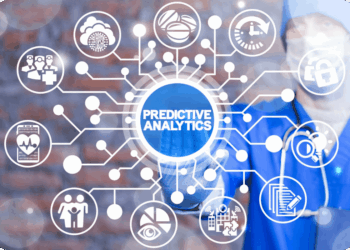
- Predictive Analytics: AI models can forecast health trends, disease outbreaks, and patient outcomes, enabling proactive measures to be taken to prevent illnesses and improve population health.
Benefits and Challenges of Implementing AI-Driven Solutions
- Benefits:
- Improved Accuracy: AI can provide more accurate diagnoses and treatment recommendations, reducing medical errors and improving patient outcomes.
- Enhanced Efficiency: Automation of routine tasks and data analysis allows healthcare providers to focus more on patient care, leading to increased productivity and reduced costs.
- Personalized Medicine: AI enables personalized treatment plans tailored to individual patients' needs and genetic profiles, resulting in better outcomes and patient satisfaction.
- Challenges:
- Data Privacy and Security: Concerns about the protection of sensitive medical data and the potential misuse of AI algorithms pose challenges to maintaining patient confidentiality and trust.
- Regulatory Compliance: Adhering to strict regulations and standards in the development and deployment of AI-driven health solutions can be complex and time-consuming for healthcare organizations.
- Ethical Considerations: Ethical dilemmas related to AI decision-making, transparency, and accountability raise questions about the societal impact of AI technologies on healthcare practices.
Advancements in Remote Health Monitoring
Remote health monitoring has seen significant advancements with the integration of AI-driven solutions, especially for global teams. These innovations have revolutionized the way healthcare professionals can monitor and manage the health of individuals in different parts of the world.
Transformation of Remote Health Monitoring with AI
AI technology has enabled real-time monitoring of vital signs and health parameters from a distance, allowing healthcare providers to track patients' conditions without the need for in-person visits. This has been particularly crucial for global teams, where access to healthcare services may be limited or challenging.
- Traditional Methods vs. AI-Driven Solutions:
- Traditional methods of health monitoring often rely on periodic check-ups or self-reporting by patients, which can be subjective and prone to errors. AI-driven solutions, on the other hand, use data analytics and machine learning algorithms to provide continuous and accurate monitoring of health metrics.
- Accuracy and Reliability of AI:
- AI has shown remarkable accuracy in detecting subtle changes in health parameters that may indicate potential issues or risks. By analyzing large volumes of data and patterns, AI can offer early warnings and predictive insights, enhancing the efficiency and effectiveness of remote health monitoring.
Customized Healthcare Solutions for Diverse Populations
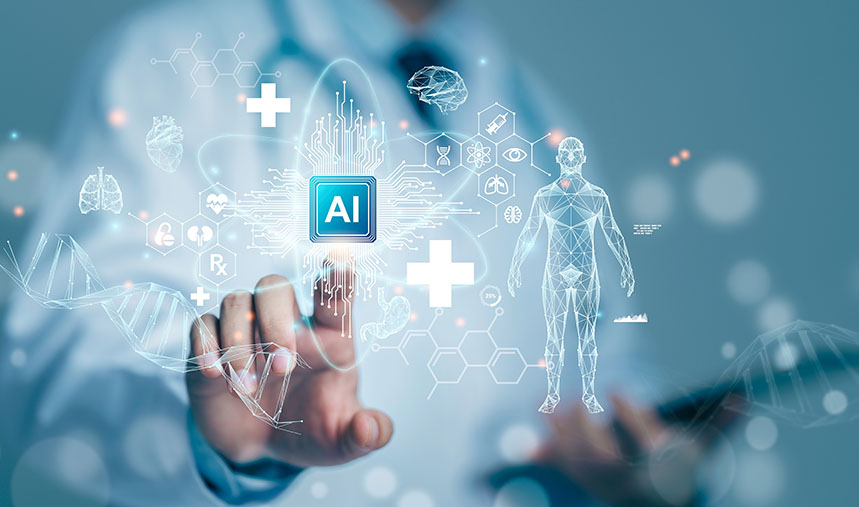
AI technology has revolutionized the healthcare industry by enabling personalized healthcare solutions that cater to the diverse needs of global teams. By leveraging advanced algorithms and machine learning, AI can tailor interventions to individual characteristics, preferences, and health conditions.
Personalized Healthcare Interventions Enabled by AI
- AI-powered predictive analytics can analyze vast amounts of data to identify patterns and predict health risks for different population groups.
- Virtual health assistants can provide personalized recommendations for diet, exercise, and medication based on an individual's health profile.
- Remote monitoring devices equipped with AI can track vital signs and alert healthcare providers in real-time about any concerning changes.
Ethical Implications of Customizing Healthcare with AI
- Privacy concerns arise with the collection and analysis of sensitive health data to personalize healthcare solutions.
- Ensuring transparency in AI algorithms and decision-making processes is crucial to maintain trust and accountability in healthcare settings.
- Addressing biases in AI algorithms to prevent discrimination and ensure fair access to personalized healthcare for all populations.
Enhancing Telemedicine Services with AI
Telemedicine services have seen a significant transformation with the integration of Artificial Intelligence (AI). AI-driven solutions are revolutionizing the way global teams access healthcare, improving diagnosis, treatment, and overall patient care.
Role of AI in Improving Diagnosis and Treatment
AI plays a crucial role in enhancing telemedicine services by providing accurate and timely diagnosis. Machine learning algorithms can analyze vast amounts of medical data, including patient history, symptoms, and test results, to assist healthcare providers in making informed decisions.
This results in quicker and more precise diagnosis, leading to better treatment outcomes for patients worldwide.
Challenges and Opportunities of Integrating AI into Telehealth Platforms
While AI offers numerous benefits to telemedicine, there are also challenges that need to be addressed. One major challenge is ensuring the security and privacy of patient data when utilizing AI algorithms. Additionally, there is a need for proper training of healthcare professionals to effectively utilize AI tools in telehealth platforms.
However, the opportunities presented by AI in telemedicine are vast, including improved access to healthcare for underserved populations, increased efficiency in healthcare delivery, and enhanced patient outcomes through personalized treatment plans.
Question & Answer Hub
How does AI revolutionize global healthcare?
AI revolutionizes global healthcare by offering personalized and efficient solutions, enhancing diagnosis accuracy, and improving treatment outcomes for diverse populations worldwide.
What are the challenges of implementing AI-driven solutions in the health sector?
Challenges include data privacy concerns, ethical considerations, ensuring AI algorithms are unbiased, and integrating AI seamlessly into existing healthcare systems.
How does AI customize healthcare solutions for diverse populations?
AI tailors healthcare solutions by analyzing individual data, providing personalized interventions, and adapting treatments to meet the unique needs of global teams across different cultural and geographical settings.